

The Shopkeeper
#37 || On the power of books, pencils, and good lighting

I opened the door to his store, his book in my hand, feeling giddy and excited to meet The Shopkeeper, Peter Miller, both the man who runs the bookshop and the author of Shopkeeping: Stores, advice, and observations, now on my growing list of leadership books. The warm, dimensional light was itself a welcome contrast to the Seattle gray. It felt like being in front of a fire with all the books you ever wanted to read beside you. The warm wood ceiling, the walls of 8,000 carefully curated books, the track lighting focusing me on particular books and notebooks that begged to be opened. Peter writes in his book:
“A good shop takes its direction from the existing space—where is the natural light, how does it change, what will it affect?” In the winter, the flat gray light gave us a lifeless appearance…by adding a very plain Italian desk lamp with a sixty-watt incandescent bulb, we looked suddenly quite alluring.”
He was how I pictured him, but even better. Of course, the glasses. And the formal dress, but the unexpected tie was also a signal of someone who takes their job seriously. I also appreciated his calm smile and his “everything is going to be alright” kind of presence that only someone living their true passion can embody.
“I love your book!” I exclaimed. Who doesn’t like to hear that? Peter was no exception. We connected immediately, as authors, bibliophiles, and aesthetes. My love for books, bookstores, and libraries comes from my mom. For good design, my dad. I recommitted to reading more intentionally last year, and that ritual has not only given me a joyous fulfillment I didn’t know I was craving, but also a renewed commitment to being an even better writer. I heard about Peter Miller’s store on a book podcast that reinforced the joy of reading books about places you are about to visit. A woman called into the podcast sharing her excitement about going to Seattle and meeting “the shopkeeper”. It was the best part of her trip to Seattle. I have always loved that idea, too, but haven’t been organized to execute that goal until I read Jennifer Nansubuga Makumbi’s book, A Girl is a Body of Water, last year on my way to Uganda. It gave me a sense of place, a connection to that part of the world, and an understanding of the seemingly invisible rituals that come alive when you experience them “again” in the place you have read about.
I have been visiting Seattle for the past 20 years because many of my family members live there. But I had never heard of this bookstore before, so I was excited to experience it. We can experience new places that we have been to before hundreds of times.
“A shop must confirm you. And poke you. And help you. And listen. And suggest and keep you company. Praise your attention and urge that you give more attention. It is, in part, a metaphor, a wonderful shoeshine, a bright intricate scarf, a new notepad, and six ideas that you did not have before. It is a place that has what you have not seen, that has what you did not imagine, that has what you knew was true, that shows what you wanted and shows what you did now know.”
We continued to talk about music. We talked about our upcoming trip to Paris, so, of course, he showed my husband and me (and we had to buy) the latest Type 7 Travel Guide to Paris, featuring a curated selection of 200 locations. We also talked about our love for Tokyo and Jazz, so naturally, the Jazz Kissa book was something he had to show us, which started another conversation about our love for jazz and Tokyo. We saved that purchase for our next trip there. Then onto the notebooks and pens, of course. I like the blank-paged notebooks and the pens and pencils that help you write almost as well as you did in that 5th-grade cursive class. Since we were visiting our family and young nieces, I also had to buy the children’s Lamy pencil set to get them started early.
Peter danced, as all good leaders do. Other customers came into the store, and he tended to each one carefully, giving my husband and me room to browse on our own while still being present enough for us to ask him about anything at any time. The best leaders I know are shopkeepers. They curate, they observe, they design intentionally before people arrive, and stay present to what’s needed, what’s wanted, maybe even before people know themselves.
“A true shop has a life, a breath, a status, set not by algorithms, but by minds and hearts. And you know it.”
After piling up new books, notebooks, pens, and pencils, it was time to leave. I wanted to linger longer, but we had a ferry to catch. And I had finally sated my analog craving. Peter recommended the local radio station to listen to and a new lunch place by the ferry that has the best Italian sandwiches.

He signed the books and tucked them into a sleek sleeve for safe traveling. And, of course, he didn’t ask me if I wanted a bag.
“No more asking questions like, “Would you like a bag?” Enough of these questions, they are a tic, and a poke, and a poker, and all they signal is that you did not look and think at all, you just jabbered away. Look at the customer, at what they bought, and what they think…it will take but a moment. If they need more or less, then help. But asking, that is not helping.”
One more pencil—a Japanese pen by Koch-I-Noor that I had to buy after Peter suggested I try it. Feeling it glide across the paper, barely feeling its weight in my hand, yes. Free LED refills included.
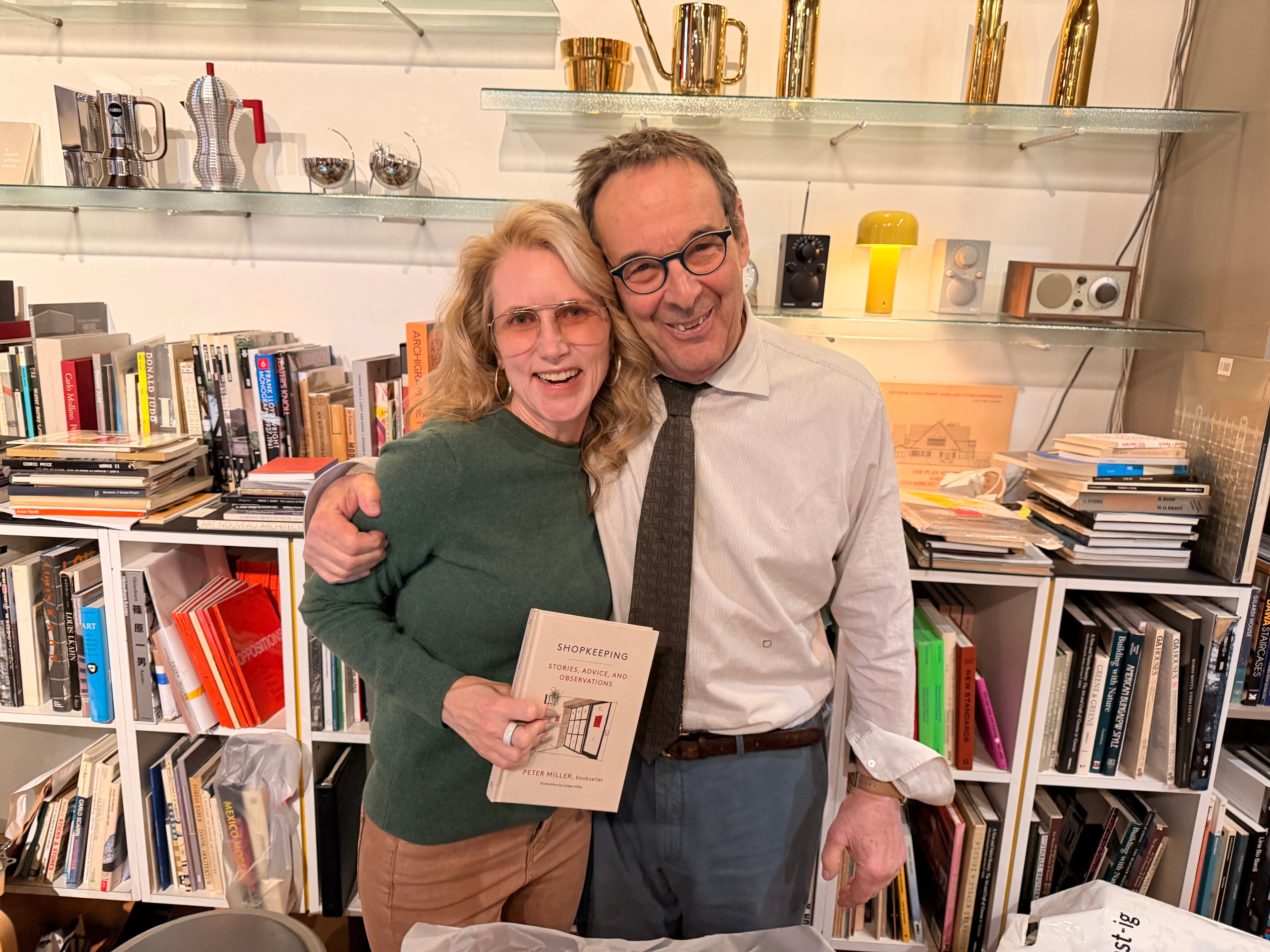
“What is it that you want? You want to open a shop? What do you have? What do you know? Who would want to come to your shop? Why would they come? What would it look like? In the very end, make it a place that you want to go to. That is your best strength. It is all a lemonade stand. Signage, counter, product, price, presentation, construction, and heart.”
We can all be the shopkeeper. We need to keep fighting to find what we love, keep digging for what we’re good at, and keep building digitally, side by side with our
pencils and pens, our hardcover books, our blank notebooks,
and our jazz.
P.S.
check out Peter Miller’s store in Seattle. Make sure you have time to linger, and find things you didn’t know you were looking for. He has three other books that I am in the middle of reading: How to Wash the Dishes, Five Ways to Cook Asparagus (and other recipes), and Lunch at the Shop: The Art and Practice of the Midday Meal
This post, and all of my writing, is written by me, including the em dashes. :) I stopped using them for a while because they were signals of AI, but I’m taking them back, slowly. I use Claude Code to coach me to become a better writer. You can write in your own voice, and still use AI. You can choose editor personas to critique your writing, specifically to make suggestions and tell you what isn’t landing. Thanks to Rebecca Stern for reminding me of the value of these personas. I have three editor personas in my Claude Writing Project:
Ann Patchett — bestselling essayist and novelist, owner of Parnassus Books in Nashville, and a badass woman I have recently discovered in the past few years. Her essay collections, These Precious Days and This Is the Story of a Happy Marriage, are the standard for personal essays that find the universal inside the specific. I also love her fiction books and the way she brings us along with every detail. That’s the kind of storyteller I aspire to be. She reads for voice, scene, and emotional truth.
“What’s the scene? Where’s the human moment?”
Maya — a Series B SaaS CEO running a 1000-person company navigating AI integration. She has read more business books than she can count, including ReCulturing. She reads for utility, clarity, and whether she’d forward it to her executive team. She makes sure I don’t use cheesy cliches and that what I’m sharing is useful, actionable, and practical for a leader to use right away.
“What’s the Monday-morning application? Who is this actually for?”
Dorothy Wickenden — executive editor of The New Yorker for over 30 years. She reads for structure, precision, and to see whether every paragraph earns its place. I love the New Yorker. I used to read it when I was a New Yorker, then stopped for many years. I just picked it up again and relish event-free weekend afternoons when I can read long essays, learning new words and ways of expressing ideas along the way.
Dorothy: “What’s the single argument? Say it in one sentence.”
I’ve been building and experimenting more with vibe coding. I am loving Lovable now. It’s changed a lot since I first tried using it 6 months ago. But here’s a reminder that with experimentation comes failing fast and learning faster, as my friend Humera says. I shut down my website for 24 hours after trying to change the DNS record to create a survey linked to my website. If you tried to find me this last week and it was down, now you know why. But, keep building, and let those mistakes fuel your learning so you can build better in the next round. More on this in future blog posts. My colleague, Rebecca, and I are running Collaborative AI workshops—we would love to work with you to develop AI projects as a team while also learning how to work with and lead through AI. DM me for more info.
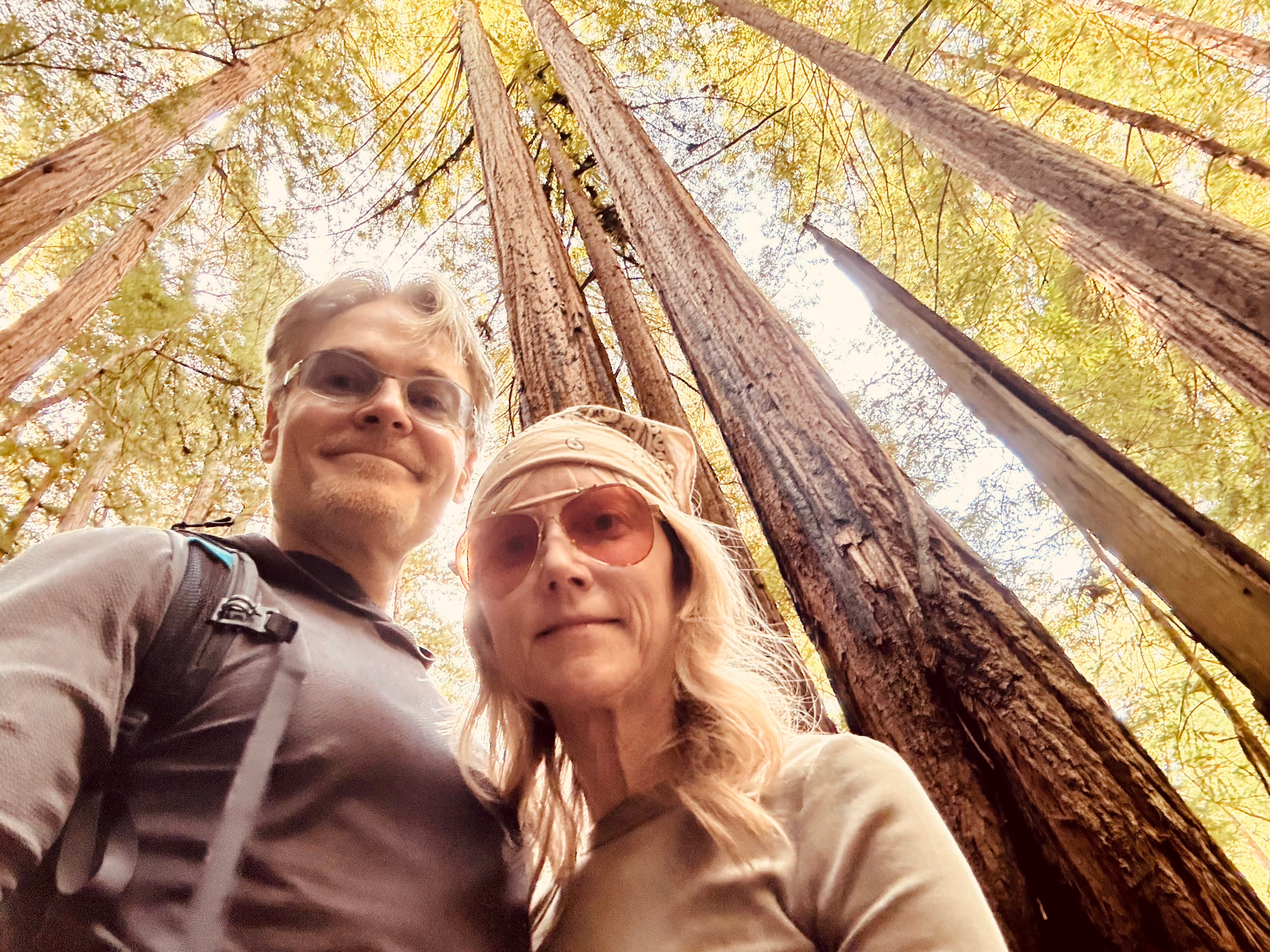
Get outside. Touch a Redwood tree. Our latest hike was in the Redwoods—a 30-minute drive from our house. Grateful.
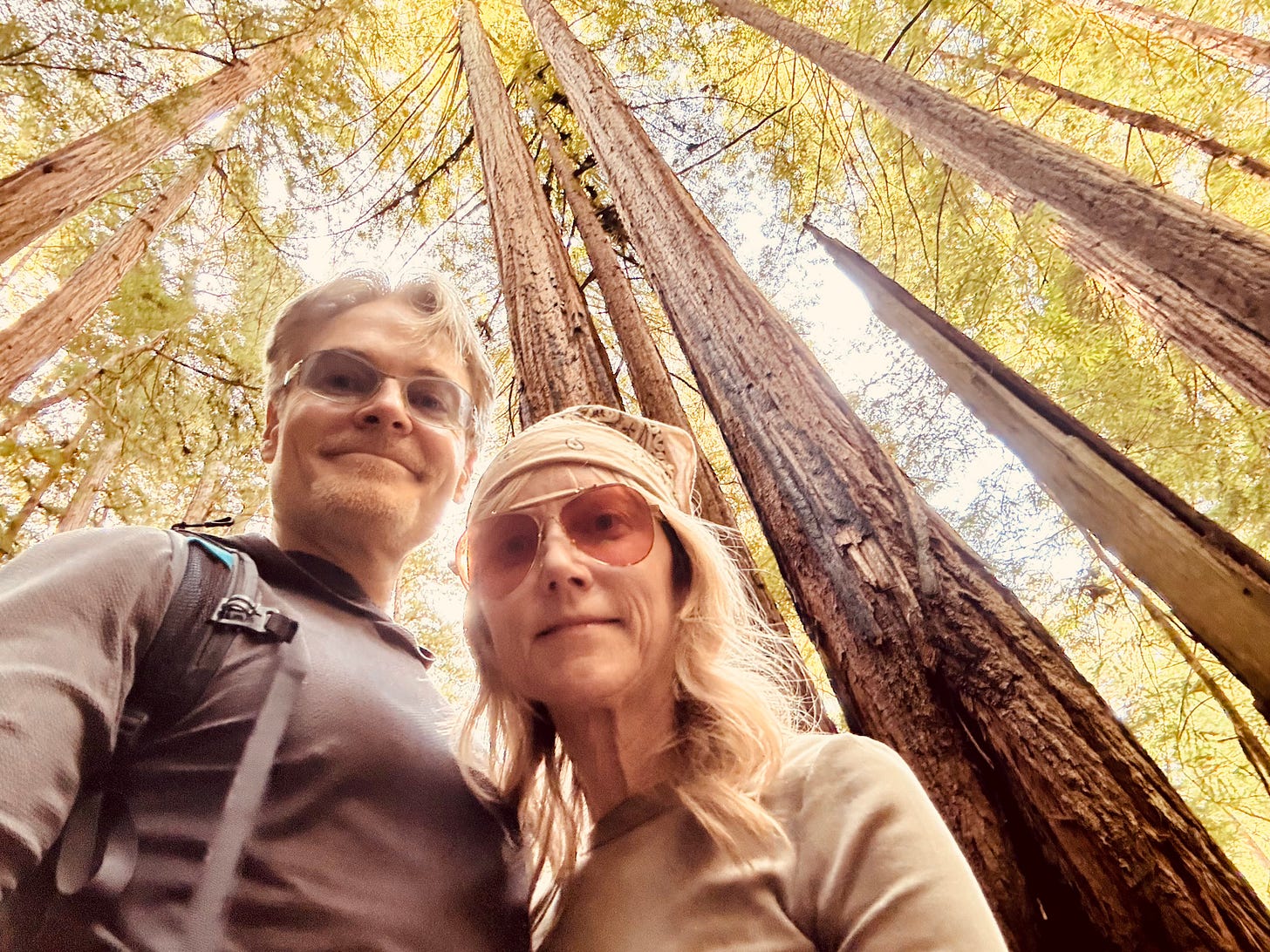
Redwoods on a Sunday morning
Reading this right after writing about Kegan’s three conditions and now I can’t unsee it.
“A shop must confirm you. And poke you. And help you.”
That’s the whole framework in one sentence, and Peter Miller got there through pencils and good lighting.
The delight in this piece is contagious. I’m in the Seattle area every so often for work so Peter Miller’s shop just made the list.
You transported me to the shop and brought to life how experiences shape how we perceive and take from the world. Lovely piece and lovely to meet your editorial team!